In the energy industry, discussions often revolve around the latest technologies.
Higher charging power.
Larger battery systems.
More efficient solar panels.
Smarter energy management platforms.
While innovation is important, successful projects are rarely defined by technology alone.
In our experience, the projects that deliver long-term value usually share one common characteristic:
Careful planning.
An energy project is much more than selecting equipment.
Its long-term performance depends on a series of decisions made long before construction begins, including:
Even the most advanced technology cannot compensate for poor project planning.
A solution that performs well in one country may not be the best choice in another.
Electricity pricing, regulations, climate conditions, infrastructure maturity, and user behavior all influence project outcomes.
Successful projects are designed around local needs rather than applying the same solution everywhere.
For investors and operators, project success is measured over years—not days.
Reliable infrastructure leads to:
These outcomes are rarely achieved by accident.
They are the result of thoughtful engineering and careful planning.
As the global energy transition accelerates, technology will continue to evolve.
But one principle is unlikely to change:
The most successful energy projects begin with the right strategy—not simply the latest equipment.
Building the future of energy requires more than innovation.
It requires planning, collaboration, and a clear understanding of local market needs.
 Hot News
2024-09-09
2024-09-09
2024-09-09
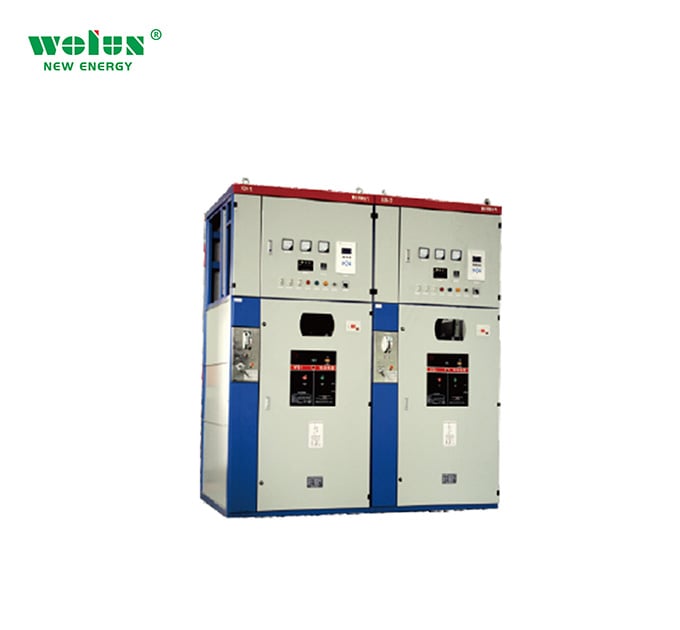
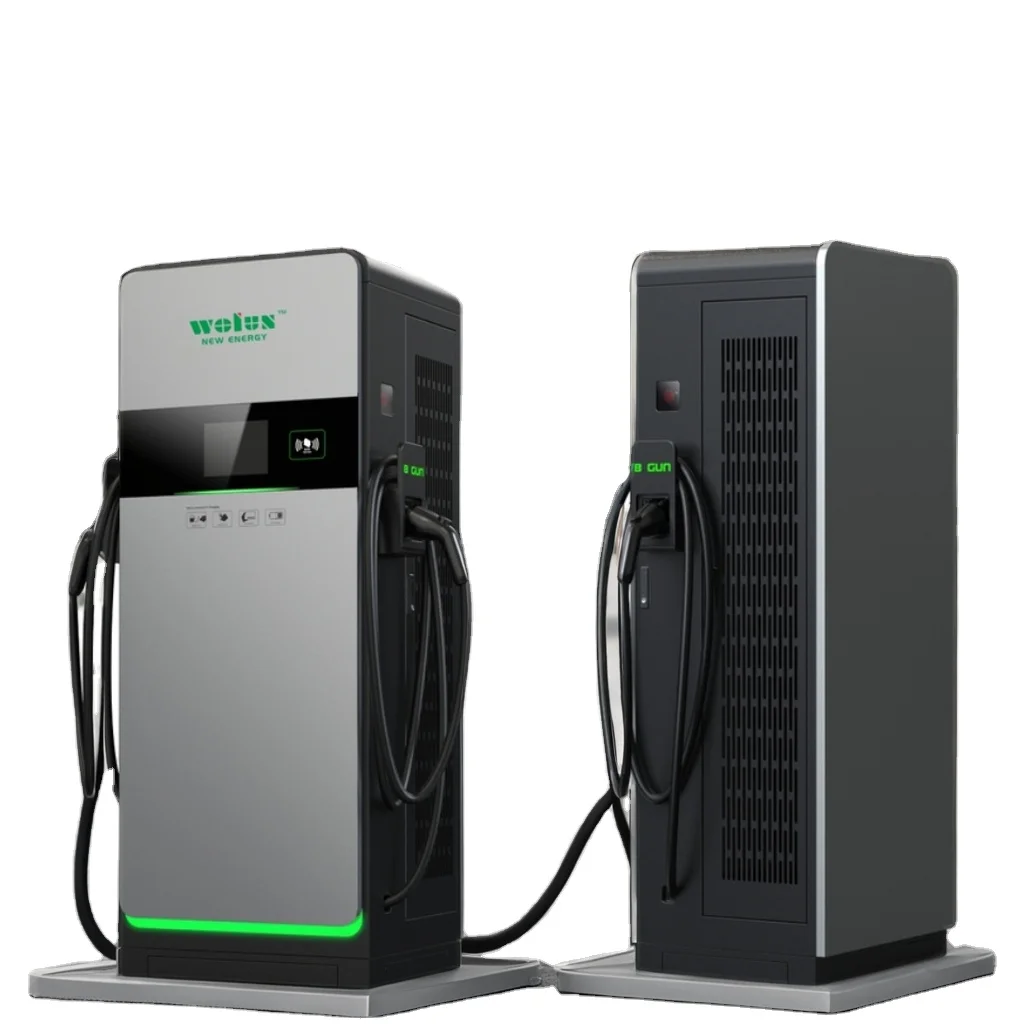
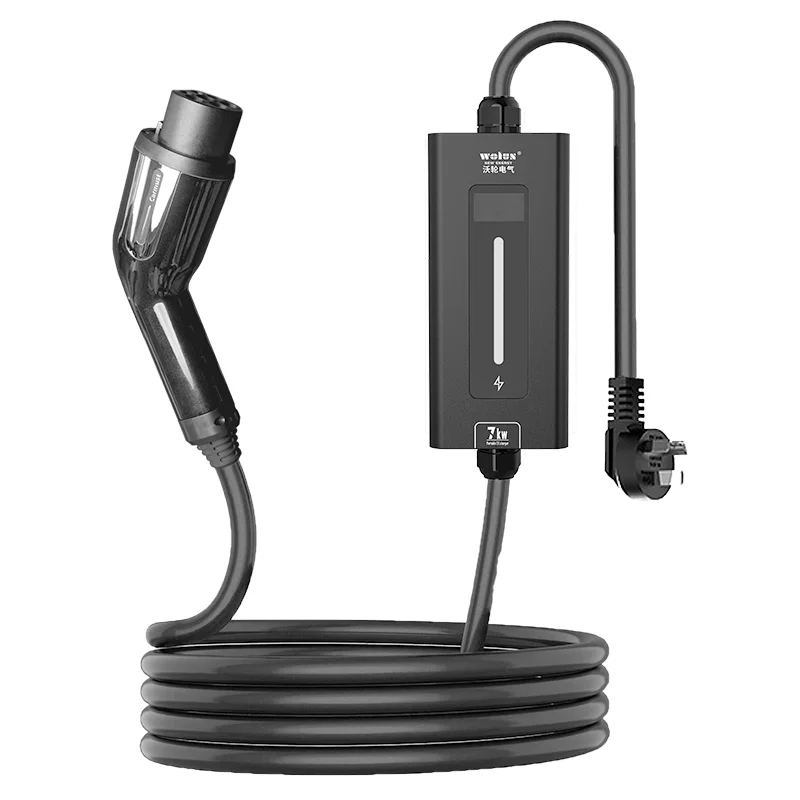
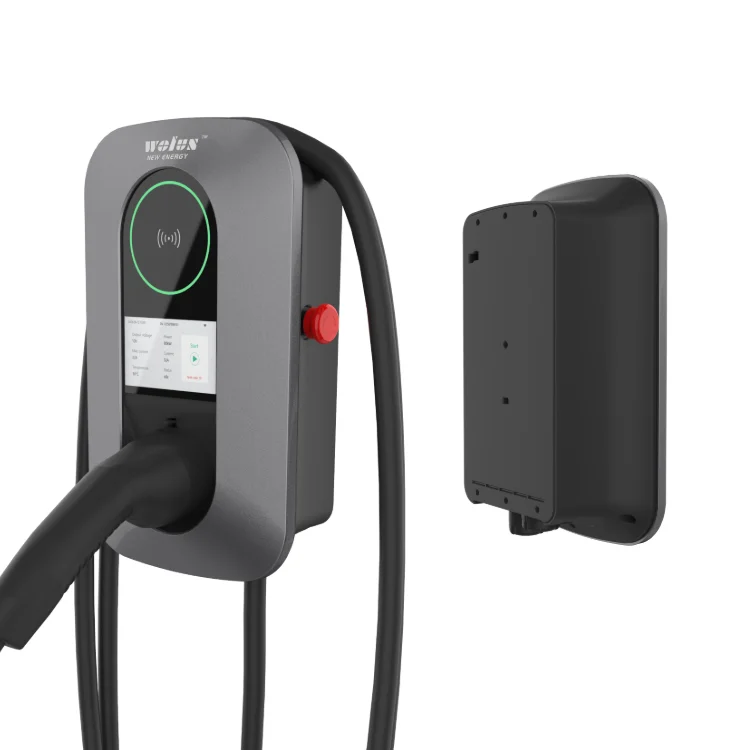
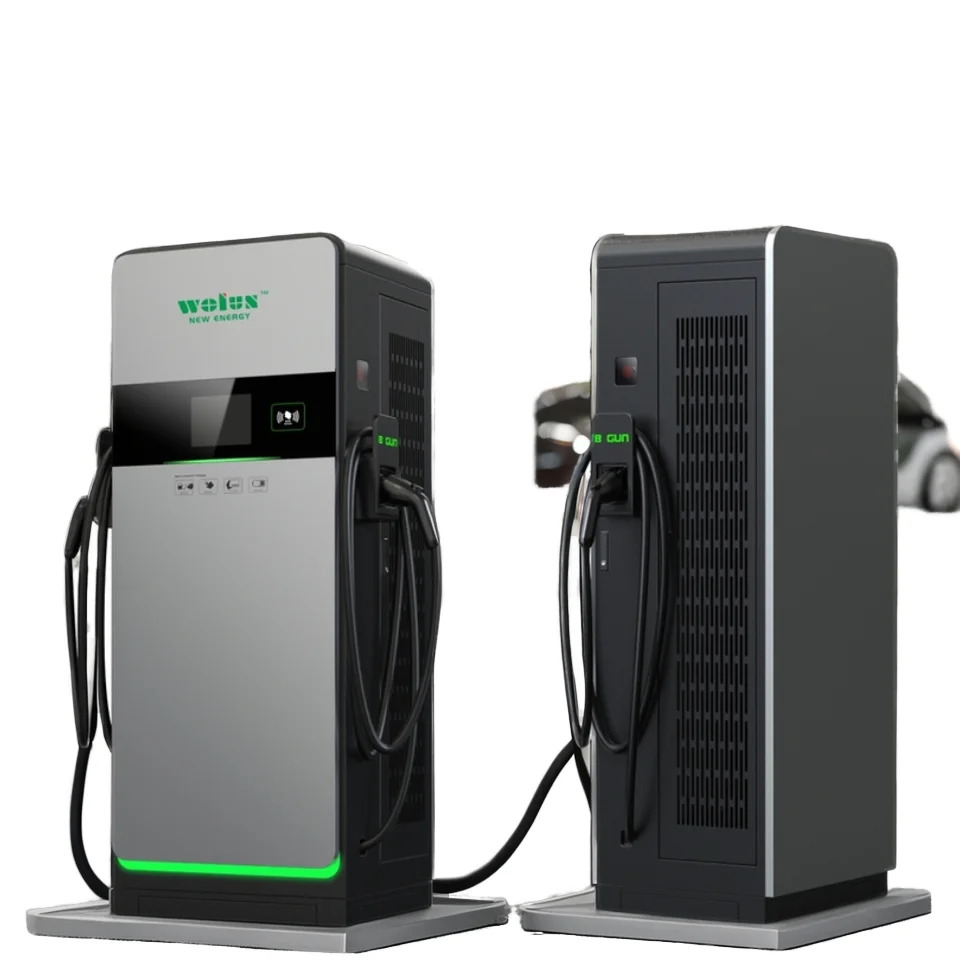
Our range includes EV charging stations advertising display tablets power transformers and voltage switchgears offering reliable performance and efficient energy solutions for modern businesses
No. 108, Tianyuan Street, Xinmin Town, Da'an District, Zigong City,Sichuan Province, China
Copyright © 2025 Sichuan Wolun Electric Manufacturing Co., Ltd. Privacy Policy
 EN
EN