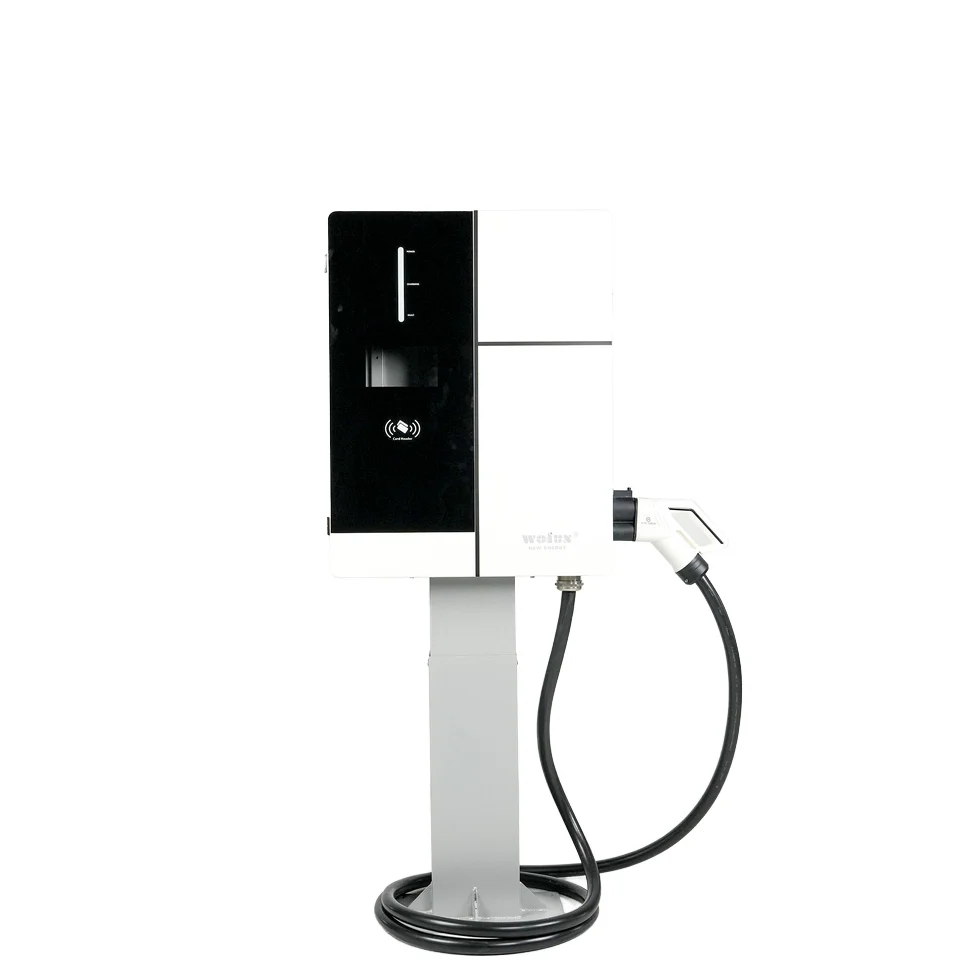
With the explosive growth of new energy vehicle (EV) ownership, charging stations on every street corner have become the new era's "infrastructure superpower." However, when hundreds or thousands of EVs simultaneously press the "fast charging button," the traditional power grid is under tremendous load pressure.
How to resolve the structural contradiction between "fast charging" and "power grid stability"? The answer lies in the perfect integration of two twin industries—energy storage and charging stations. Their combination is not only a technological upgrade but also a key piece of the puzzle for the future smart energy network.
I. Why are charging stations inseparable from energy storage?
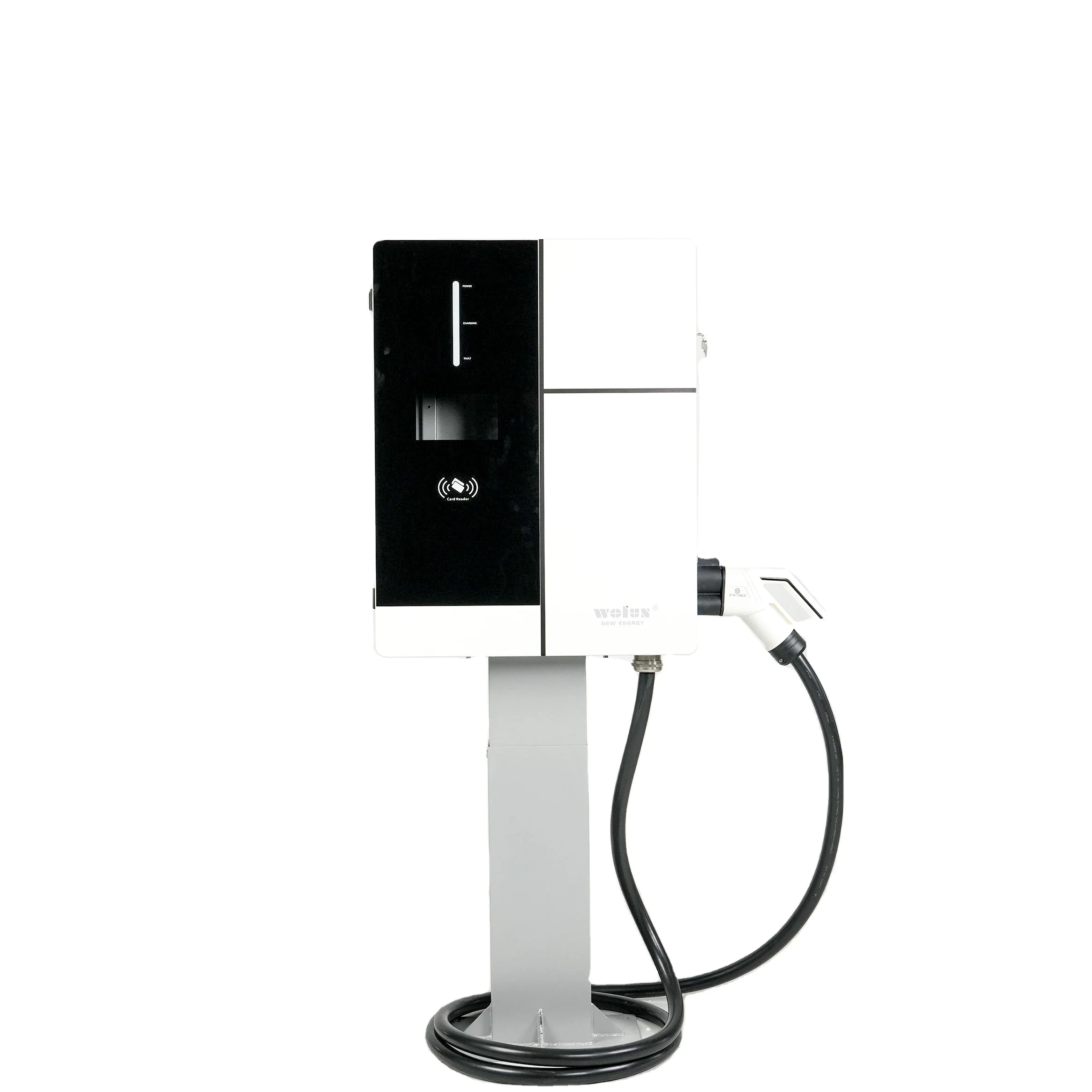
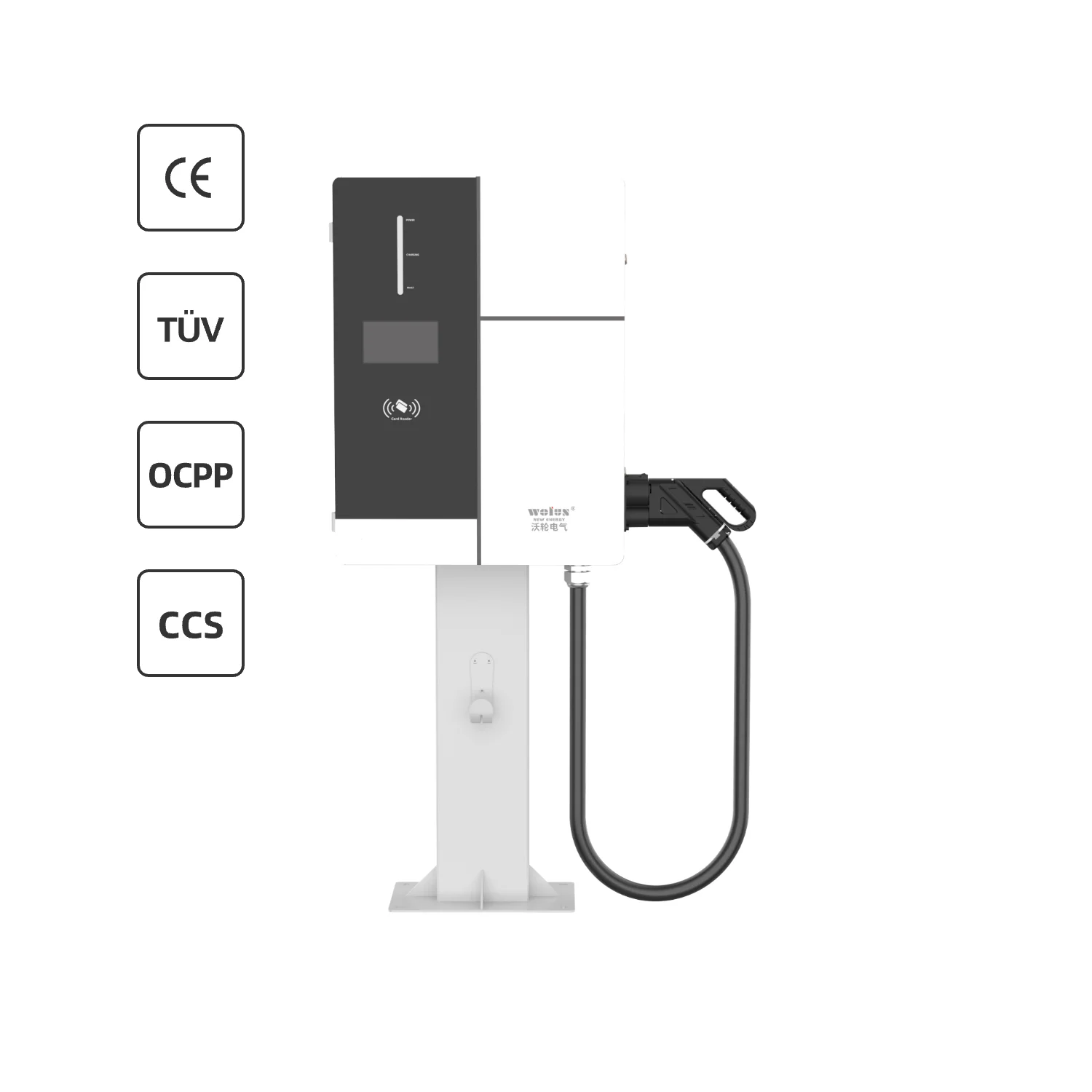
If we compare the power grid to a highway, charging stations are the exits on that highway. With the widespread adoption of high-power DC fast charging (supercharging), the amount of electricity absorbed by a single vehicle in a few minutes is equivalent to the daily load of a small community. When a large number of electric vehicles charge simultaneously, the following pain points arise:
The power grid cannot bear the weight: Instantaneous high power demand can easily lead to localized power grid voltage instability, and even power outages.
Transformer Capacity Limitations: Many older residential areas or commercial parks have limited power distribution capacity. Adding more fast-charging stations necessitates high transformer expansion costs.
High Electricity Costs: Commercial power grids often charge a base electricity fee based on peak demand, resulting in substantial operating costs for large charging users.
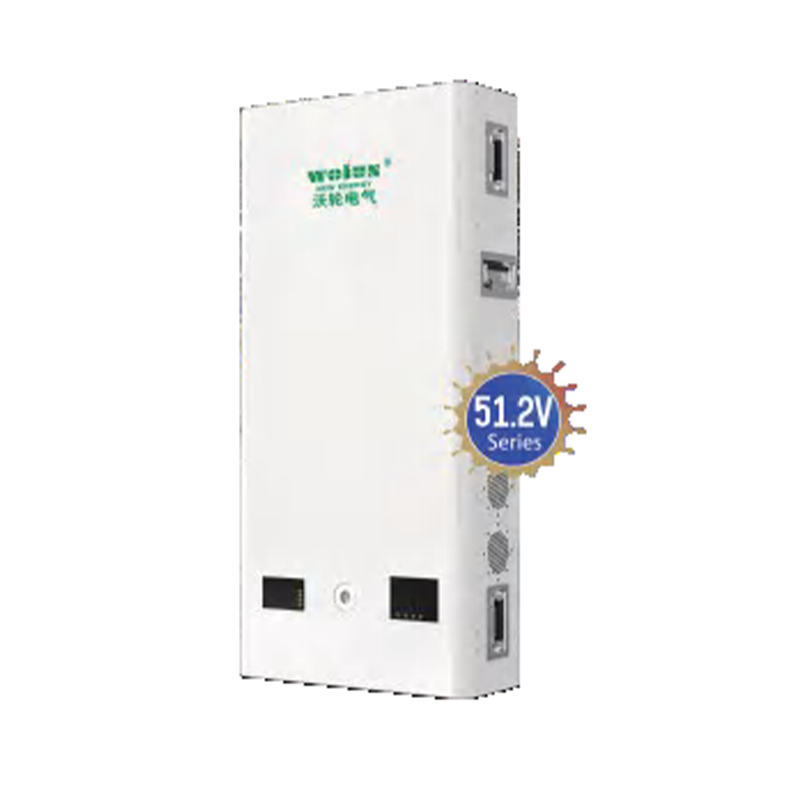
The intervention of energy storage systems acts like a "power reservoir" for charging stations. Electricity is stored during off-peak hours when prices are low, and released during peak charging times when the grid is strained. This protects the grid and perfectly solves the expansion problem.
II. Integrated Photovoltaic-Storage-Charging: The Ultimate Form of Future Charging Stations
In the evolution of energy storage and charging station integration, "integrated photovoltaic-storage-charging (and even photovoltaic-storage-charging-inspection)" has become an industry-recognized green benchmark.
By installing photovoltaic panels on the charging station's canopy or roof, distributed clean energy is introduced into the system, forming a miniature smart energy closed loop:
Daytime Self-Consumption: The green electricity generated by photovoltaics directly powers vehicle charging or flows into the energy storage battery.
Off-peak charging at night: The energy storage system absorbs grid power during off-peak hours when electricity prices are low.
Peak-hour full output: During peak charging periods in the daytime, photovoltaics, energy storage, and the grid work together to provide vehicles with a stable and efficient supercharging experience.
III. Calculating the costs: Not just green and environmentally friendly, but also tangible economic benefits.
For charging station operators and companies, the combination of "energy storage + charging piles" is not just an empty environmental slogan, but a real business innovation:
1. Peak-valley arbitrage, directly reducing electricity costs: By utilizing the peak-valley electricity price differences in different regions, the energy storage system can charge during low electricity prices and discharge to the charging piles during high electricity prices. This "buy low, sell high" model can significantly reduce the daily operating electricity costs of charging stations.
2. Say goodbye to expensive expansion investments: Without needing to apply to the grid for expensive transformer expansion, simply by having "energy storage act as the main buffer," multiple high-power supercharging piles can be directly upgraded and deployed side-by-side under existing power distribution conditions.
3. Participating in Grid Interaction (V2G and Virtual Power Plants)
In the future, with the popularization of V2G (vehicle-to-grid) technology and virtual power plants (VPPs), energy storage and charging piles will no longer be merely the end point of electricity consumption, but rather "money-making cells" capable of transmitting electricity back to the grid and participating in peak-shaving ancillary services in the electricity market.
IV. Conclusion: Embracing a New Opportunity for Energy Transformation
From "going their own way" to "deep integration," the combination of energy storage and charging piles is an inevitable path to promoting carbon neutrality in transportation. It not only solves the concerns about the development of new energy vehicles but also restructures our relationship with energy.
As an active practitioner of the new energy ecosystem, WOLUN is committed to bridging the last mile between "new energy vehicles" and "new energy electricity" through innovative smart energy solutions. We look forward to working with more industry partners to make every charging greener and every kilowatt-hour of electricity more valuable.
 Hot News
2024-09-09
2024-09-09
2024-09-09
Our range includes EV charging stations advertising display tablets power transformers and voltage switchgears offering reliable performance and efficient energy solutions for modern businesses
No. 108, Tianyuan Street, Xinmin Town, Da'an District, Zigong City,Sichuan Province, China
Copyright © 2025 Sichuan Wolun Electric Manufacturing Co., Ltd. Privacy Policy
 EN
EN