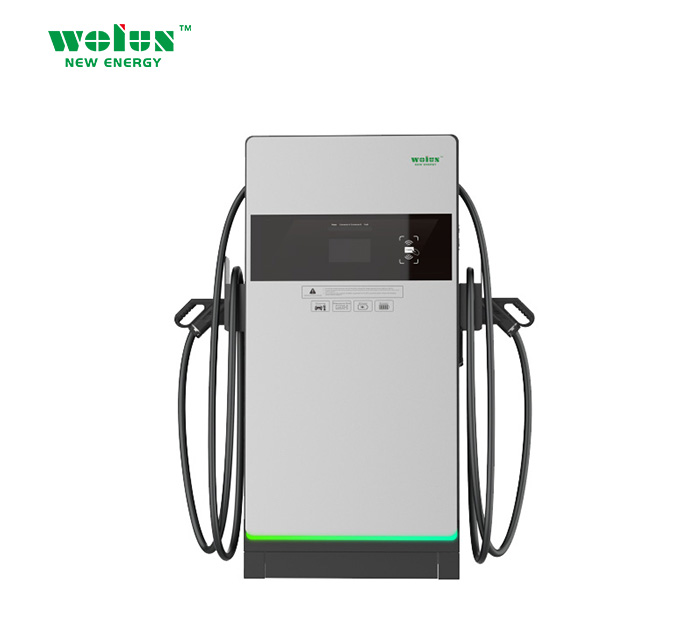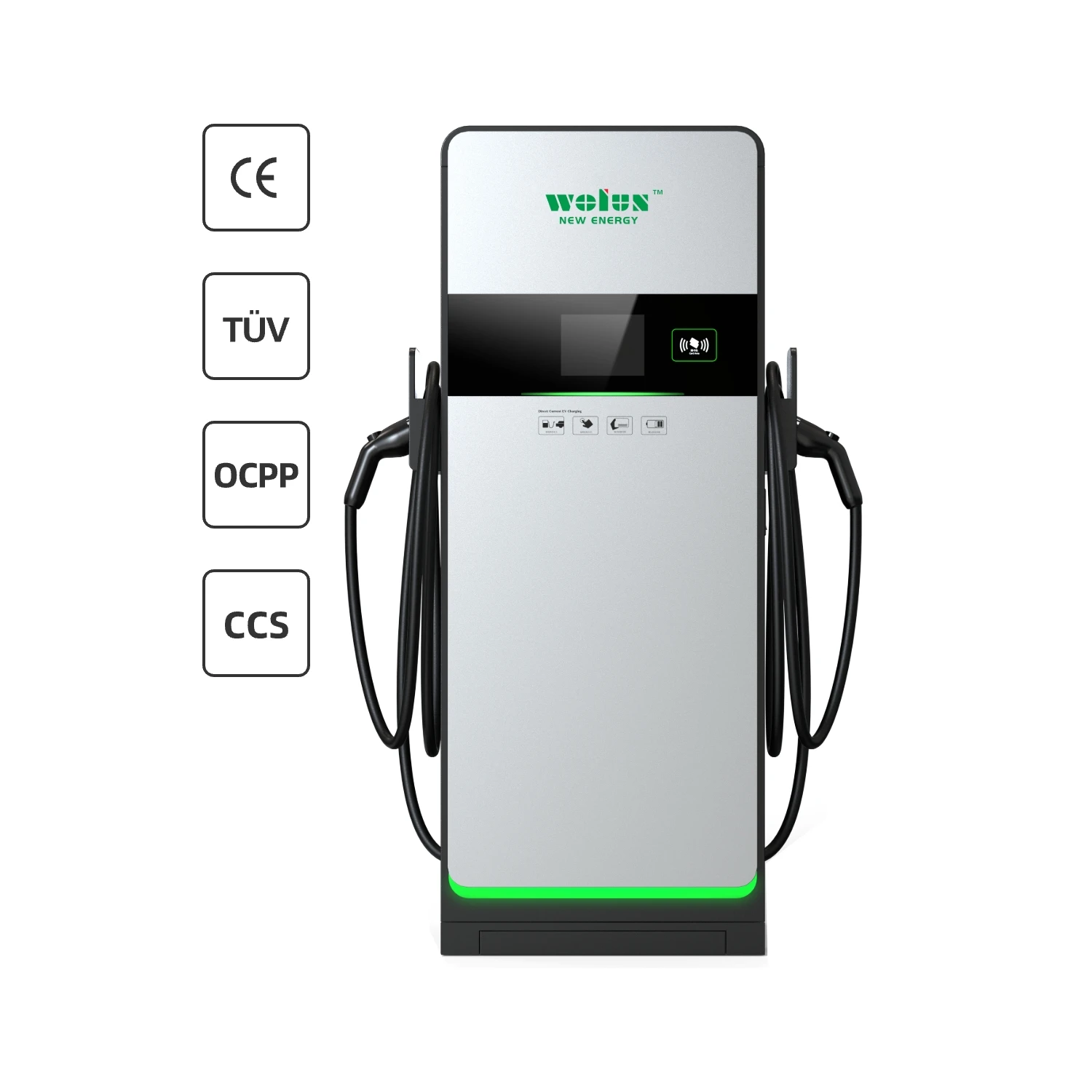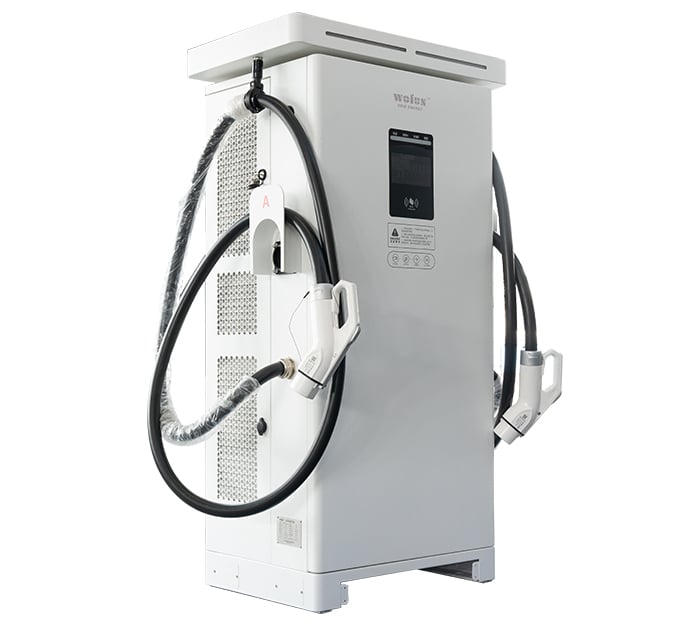
As EV charging technology continues to evolve, higher charging power also means greater heat generation. Efficient thermal management has become a key factor in ensuring charging performance, equipment reliability, and long-term operational costs.
Among today's charging solutions, air cooling and liquid cooling are the two dominant approaches. Each offers unique advantages depending on the application scenario.
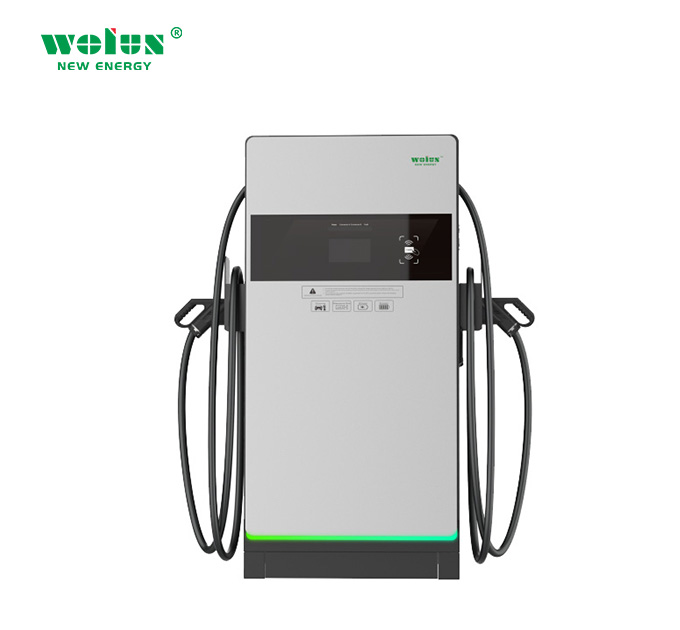
Air cooling uses fans and ventilation systems to dissipate heat generated by power modules and electronic components. It is currently the most common solution in AC chargers and many standard DC fast chargers.
Advantages
Limitations
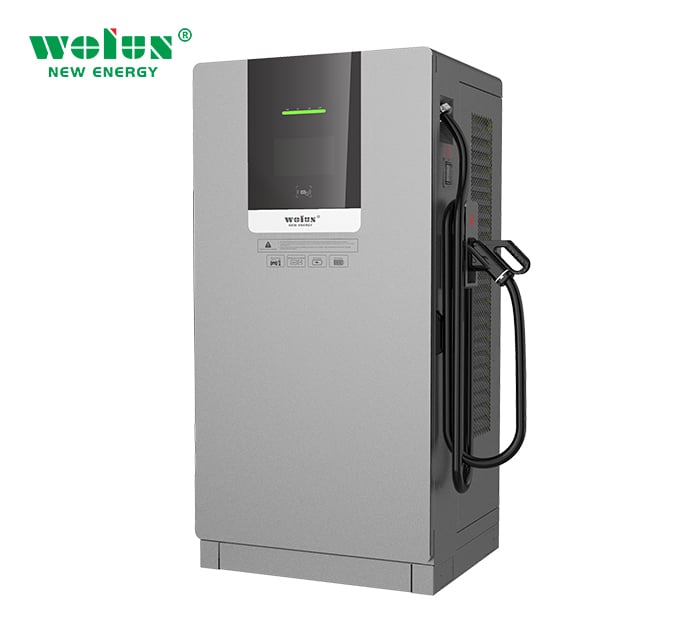
Liquid cooling circulates coolant through dedicated channels to remove heat directly from critical components, enabling much higher thermal efficiency than traditional air cooling.
This technology is increasingly adopted in ultra-fast DC chargers ranging from 350 kW to over 500 kW.
Advantages
Challenges
| Feature | Air Cooling | Liquid Cooling |
|---|---|---|
| Initial Cost | Lower | Higher |
| Maintenance | Simple | Moderate |
| Thermal Performance | Good | Excellent |
| Maximum Charging Power | Medium | Very High |
| Cable Weight | Heavier at high power | Much lighter |
| Noise Level | Fan noise | Lower |
| System Complexity | Low | High |
| Best Applications | AC & standard DC charging | Ultra-fast HPC charging |
The answer depends on your project requirements.
For commercial buildings, workplaces, shopping centers, hotels, and most public charging stations, air-cooled chargers remain an economical and reliable choice. They provide excellent performance while keeping installation and maintenance costs under control.
For highway service areas, logistics fleets, heavy-duty vehicles, premium charging hubs, and locations where charging speed is critical, liquid-cooled chargers offer significant advantages by delivering higher power with greater efficiency and improved user experience.
Rather than replacing air cooling, liquid cooling expands the possibilities for next-generation charging infrastructure.
As EV battery capacities continue to grow and charging times become shorter, thermal management will play an increasingly important role in charging station design.
Many industry experts expect liquid cooling to become more common in high-power charging applications over the next decade, while air cooling will continue to dominate standard charging scenarios due to its cost-effectiveness and operational simplicity.
Ultimately, selecting the right cooling technology is about balancing performance, reliability, investment cost, maintenance, and future scalability.
The best solution is not necessarily the most advanced—it is the one that best matches the needs of the application.
Both liquid cooling and air cooling have an important place in the future of EV charging infrastructure.
Air cooling continues to provide dependable and affordable performance for the majority of charging installations, while liquid cooling enables the next generation of ultra-fast charging.
As charging demands continue to increase, understanding the strengths of each technology will help operators, investors, and businesses make better infrastructure decisions.
At Joohua, we continue to develop charging solutions that balance performance, reliability, and efficiency for diverse market requirements, helping customers build charging infrastructure that is ready for the future.
 Hot News
2024-09-09
2024-09-09
2024-09-09
Our range includes EV charging stations advertising display tablets power transformers and voltage switchgears offering reliable performance and efficient energy solutions for modern businesses
No. 108, Tianyuan Street, Xinmin Town, Da'an District, Zigong City,Sichuan Province, China
Copyright © 2025 Sichuan Wolun Electric Manufacturing Co., Ltd. Privacy Policy
 EN
EN