
As the global transition toward electric mobility accelerates, one challenge has become increasingly apparent: charging infrastructure must expand at a pace that matches the growth of electric vehicles (EVs).
According to the International Energy Agency (IEA), global EV sales exceeded 17 million units in 2024 and continue to grow rapidly across both developed and emerging economies. While China, Europe, and North America remain the largest EV markets, many emerging regions are beginning to experience significant growth in electric mobility adoption.
Countries across Southeast Asia, the Middle East, Africa, and Latin America are investing in cleaner transportation systems, renewable energy projects, and modern infrastructure. As a result, the demand for reliable and scalable EV charging solutions is expected to increase substantially over the coming decade.
However, building charging infrastructure in emerging markets often presents unique challenges. Grid limitations, fluctuating electricity prices, and infrastructure gaps can make traditional charging station deployment both costly and complex.
This is where solar-powered EV charging stations integrated with energy storage systems are attracting growing attention from investors, developers, and governments alike.
For years, discussions about electric vehicles focused primarily on mature markets. Today, the landscape is changing.
The IEA's Global EV Outlook highlights that EV sales in emerging and developing economies are growing at some of the fastest rates globally. Southeast Asia has experienced significant increases in EV adoption, while countries in the Middle East and Africa are introducing new policies to encourage electrification and sustainable transportation.
Several factors are driving this trend:
As these markets continue to develop, the need for supporting infrastructure becomes increasingly urgent.
Without adequate charging networks, EV adoption may struggle to reach its full potential.
One of the most significant obstacles facing emerging markets is electrical infrastructure capacity.
Many regions face challenges such as:
Existing electrical networks were not originally designed to support widespread fast-charging deployment.
Commercial electricity tariffs can significantly impact charging station profitability.
Many areas with growing transportation demand lack sufficient grid access.
Grid upgrades often require substantial investment and lengthy approval processes.
These challenges create an opportunity for alternative energy solutions that can reduce dependence on traditional grid infrastructure.
Solar-powered charging stations combine photovoltaic (PV) generation, battery energy storage systems (BESS), and EV charging technology into a unified energy ecosystem.
Rather than relying solely on grid electricity, these systems can generate and store energy locally before delivering it to EV users.
This approach offers several important advantages.
Solar energy can offset a portion of electricity consumption, helping operators reduce long-term energy expenses.
In regions with high solar irradiation levels, energy savings can become a significant contributor to project profitability.
Integrated energy storage allows charging stations to maintain operations even during grid instability or power interruptions.
This can be particularly valuable in emerging markets where grid reliability may vary.
Battery storage systems can charge during low-cost periods and discharge during peak demand periods.
This process, often referred to as peak shaving, can reduce demand charges and improve overall operational efficiency.
Solar-powered charging infrastructure supports broader environmental objectives by reducing carbon emissions associated with transportation and electricity generation.
For governments pursuing net-zero targets, these systems align closely with national sustainability strategies.
From an investment perspective, solar-powered EV charging stations represent more than a transportation asset.
They are increasingly viewed as energy infrastructure projects capable of generating long-term value.
Unlike traditional charging stations, integrated systems may benefit from several potential revenue sources:
Diversified revenue models can improve project resilience and financial performance.
Institutional investors worldwide are allocating capital toward infrastructure sectors that provide stable, long-term returns.
EV charging networks share characteristics with other infrastructure assets, including:
As EV adoption increases, charging infrastructure may become an increasingly attractive asset class.
Environmental, Social, and Governance (ESG) considerations continue to influence investment decisions globally.
Projects that combine renewable energy generation, energy storage, and transportation electrification often align strongly with ESG objectives.
This alignment can improve access to financing and attract sustainability-focused investors.
Mature markets already possess extensive charging infrastructure and highly competitive landscapes.
Emerging markets, by contrast, often offer:
Rather than replicating legacy models, many emerging economies can leapfrog directly toward integrated renewable energy and charging ecosystems.
This creates opportunities for innovative project developers and technology providers.
For example, solar-powered charging stations may be particularly attractive in regions with:
These characteristics are increasingly common across parts of Africa, Southeast Asia, the Middle East, and Latin America.
The future of electric mobility extends far beyond the vehicles themselves.
Success will depend on the development of reliable, scalable, and economically viable charging infrastructure.
Solar-powered EV charging stations integrated with battery energy storage systems offer a compelling solution to many of the challenges facing emerging markets today.
By reducing reliance on traditional grid infrastructure, improving operational efficiency, and supporting sustainability goals, these systems are positioned to play a critical role in the next phase of global transportation electrification.
For investors, developers, and policymakers, the convergence of solar energy, energy storage, and EV charging may represent one of the most promising infrastructure opportunities of the coming decade.
International Energy Agency (IEA) – Global EV Outlook
BloombergNEF – Electric Vehicle Outlook
International Renewable Energy Agency (IRENA)
World Bank – Sustainable Infrastructure and Energy Transition Reports
 Hot News
2024-09-09
2024-09-09
2024-09-09
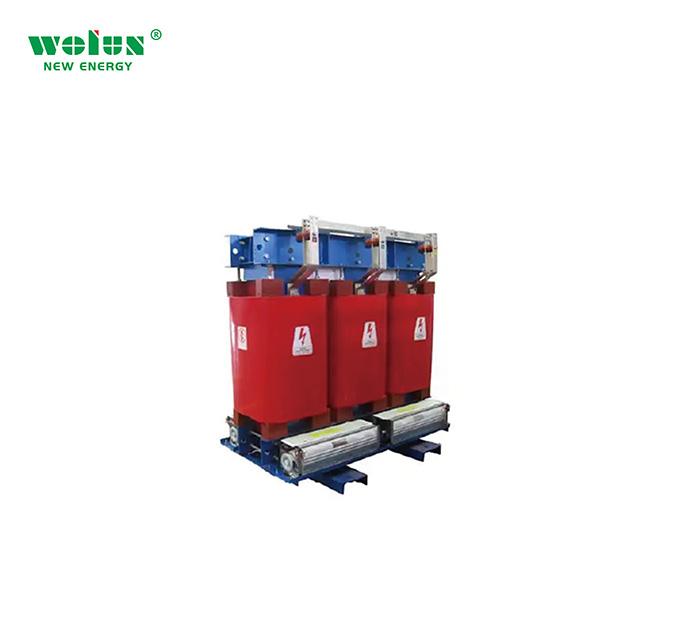
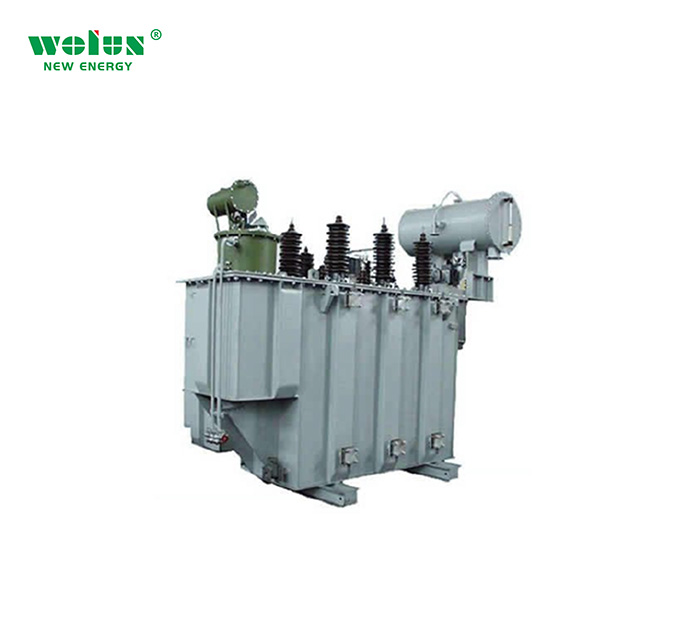
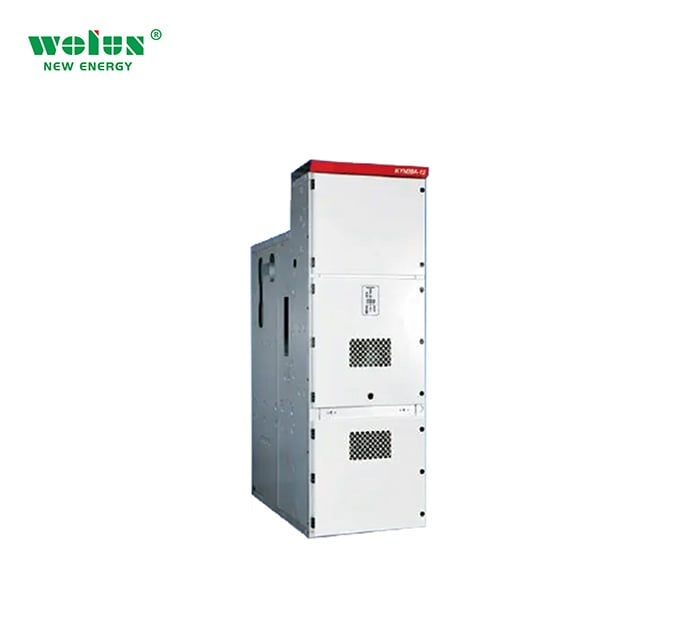
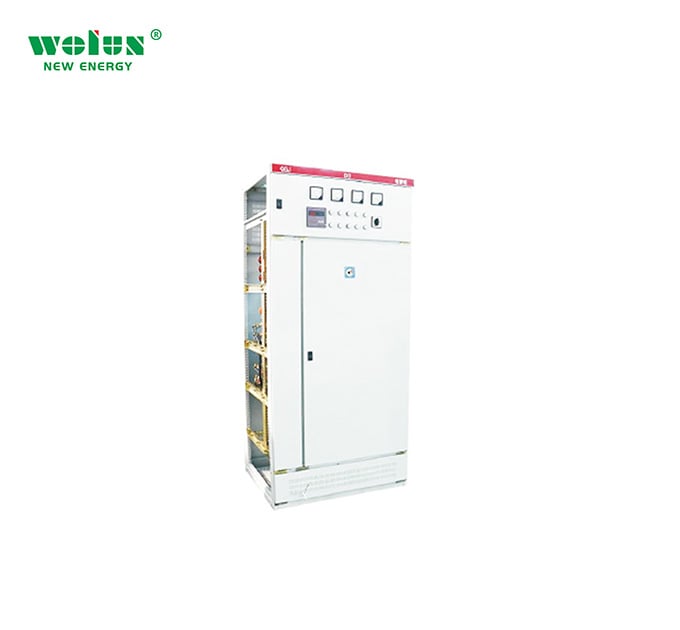
Our range includes EV charging stations advertising display tablets power transformers and voltage switchgears offering reliable performance and efficient energy solutions for modern businesses
No. 108, Tianyuan Street, Xinmin Town, Da'an District, Zigong City,Sichuan Province, China
Copyright © 2025 Sichuan Wolun Electric Manufacturing Co., Ltd. Privacy Policy
 EN
EN