The transition to electric mobility is no longer limited to a handful of developed economies. Today, countries around the world are accelerating the adoption of electric vehicles (EVs), each following its own unique path shaped by local policies, energy systems, consumer behavior, and infrastructure readiness.
While every market is different, one thing has become increasingly clear: there is no universal blueprint for building successful EV charging infrastructure.
By observing how different regions have approached electrification, valuable lessons emerge—not only for governments and investors, but also for businesses planning the next generation of charging networks.
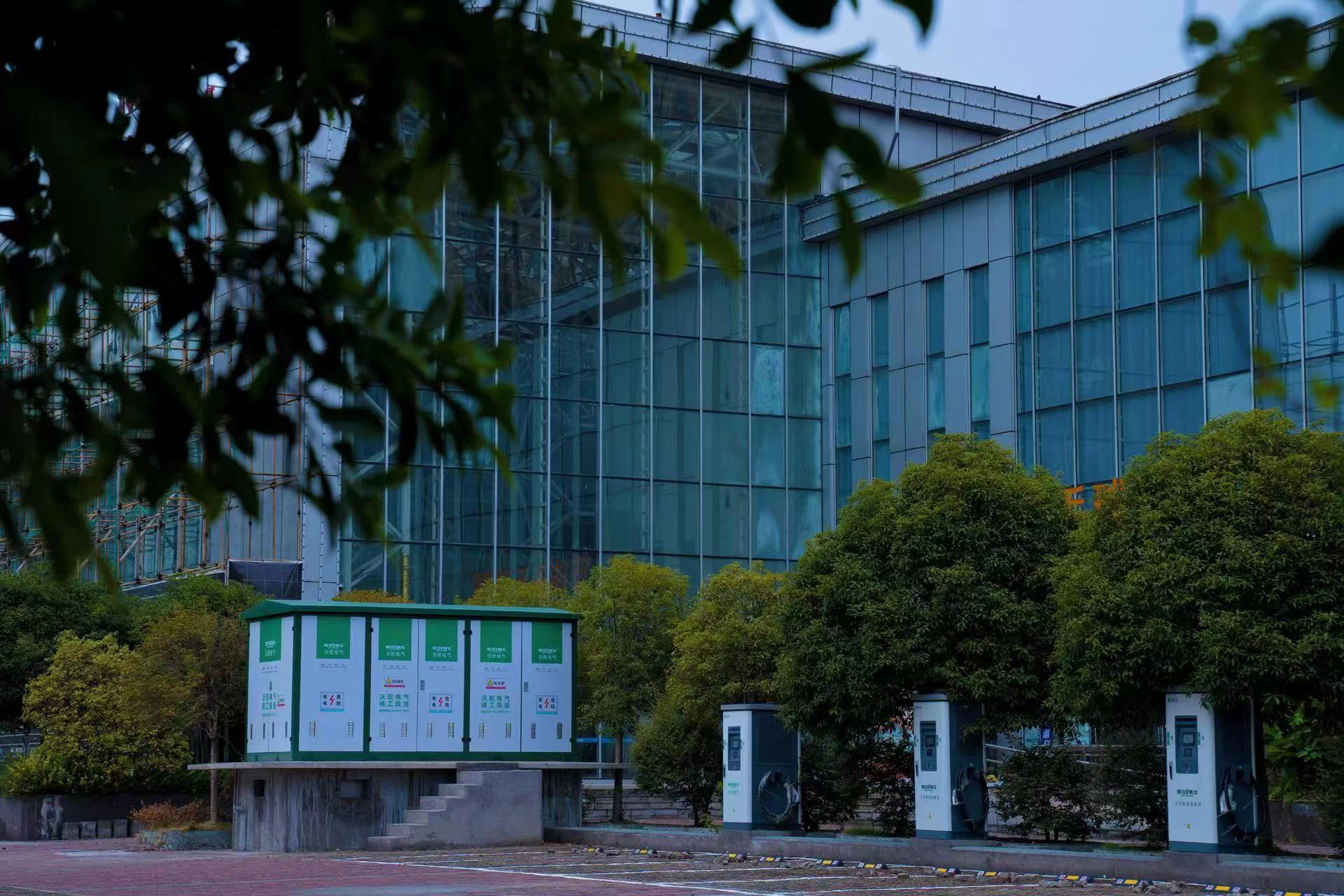
China has become the world's largest EV market, supported by strong government policies, manufacturing capacity, and one of the most extensive charging networks globally.
The country's rapid deployment demonstrates that infrastructure development must keep pace with vehicle adoption. More importantly, China has shown that charging stations are evolving beyond standalone assets into integrated energy systems connected with smart software, energy storage, and renewable energy.
Lesson: Building at scale requires not only more chargers, but smarter infrastructure management.
Across Europe, regulatory support has been one of the strongest drivers of EV adoption.
Emission reduction targets, public incentives, and infrastructure funding have encouraged both public and private investment. At the same time, interoperability standards and open charging protocols have helped improve the user experience across different charging networks.
Europe reminds us that long-term policy stability is just as important as technological innovation.
Lesson: Clear regulations encourage long-term investment.
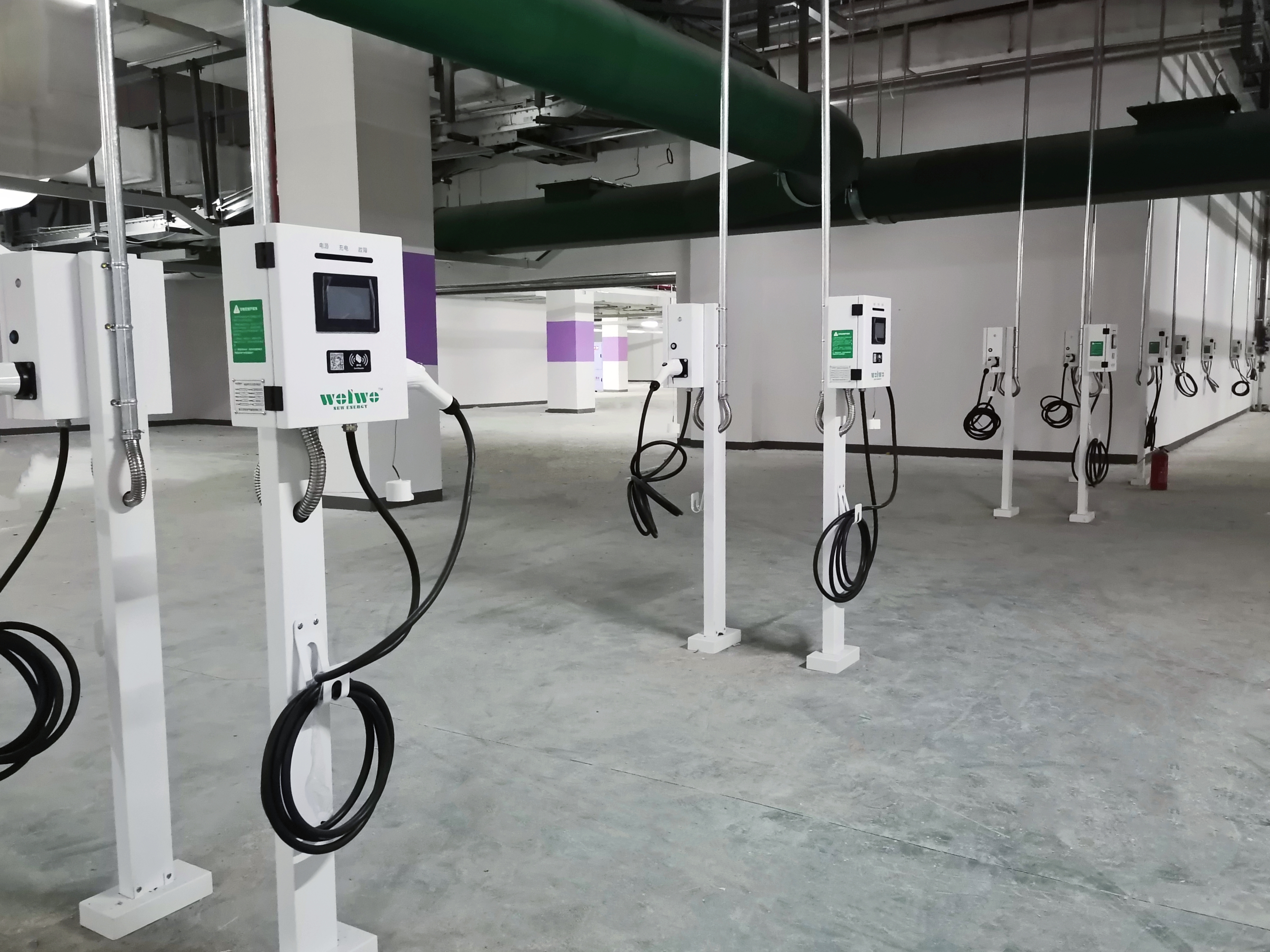
The United States and Canada continue to invest heavily in charging infrastructure, supported by national funding programs and private-sector participation.
However, one of the industry's biggest discussions today is no longer how many chargers are installed—but how many are actually operational.
Reliability, maintenance, software monitoring, and network uptime have become key performance indicators for charging operators.
A charger that is unavailable when drivers need it creates frustration regardless of its charging speed.
Lesson: Operational excellence is just as important as network expansion.
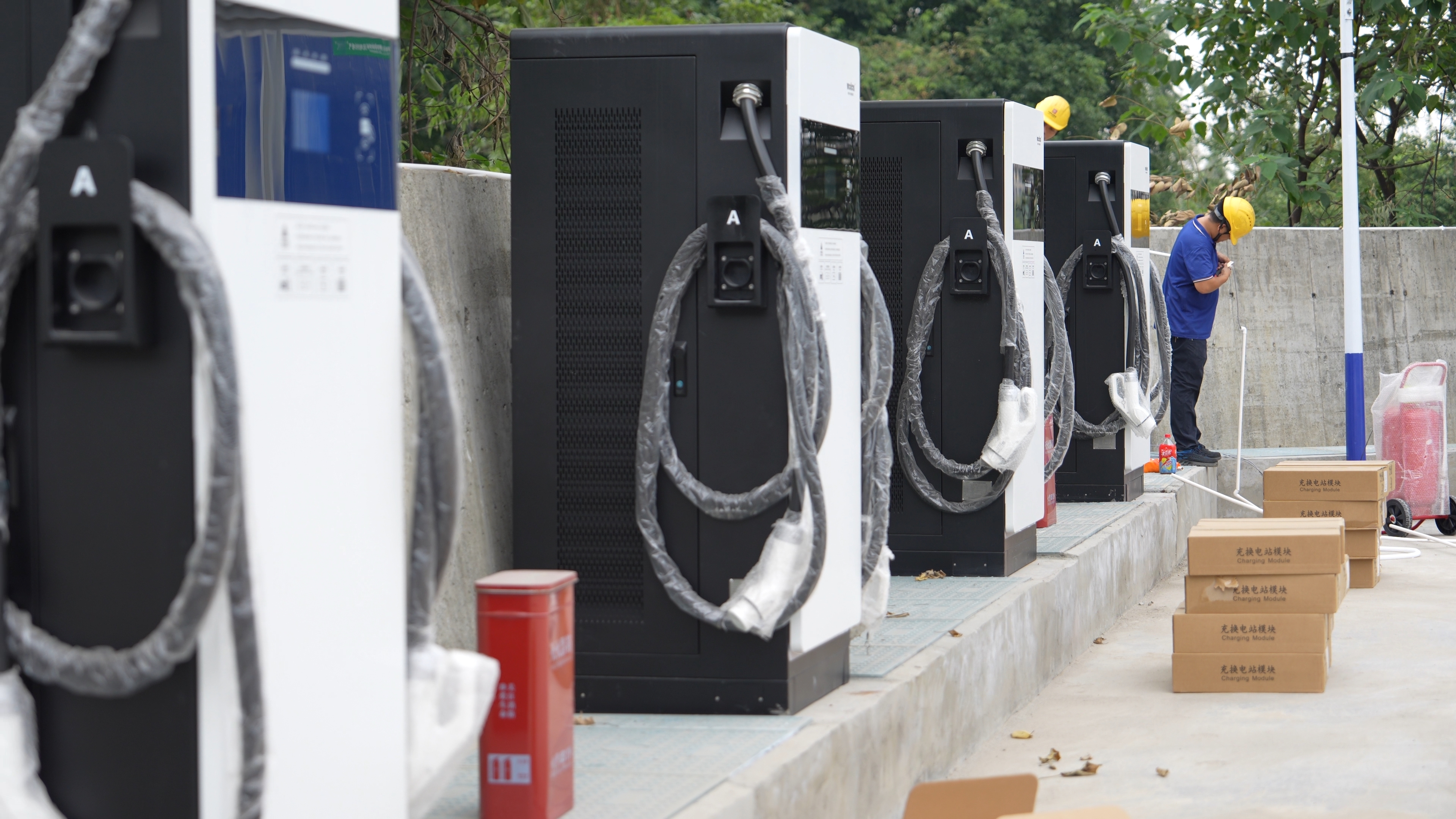
Countries such as Thailand, Malaysia, Indonesia, and Vietnam are experiencing rapid growth in EV adoption, although each market faces different challenges.
Grid capacity, urban density, climate conditions, and energy prices vary significantly across the region.
Instead of copying mature-market models, many projects are integrating solar energy, battery storage, and smart charging technologies to improve efficiency and reduce dependence on local grid constraints.
Lesson: Infrastructure should be adapted to local conditions rather than replicated from other markets.
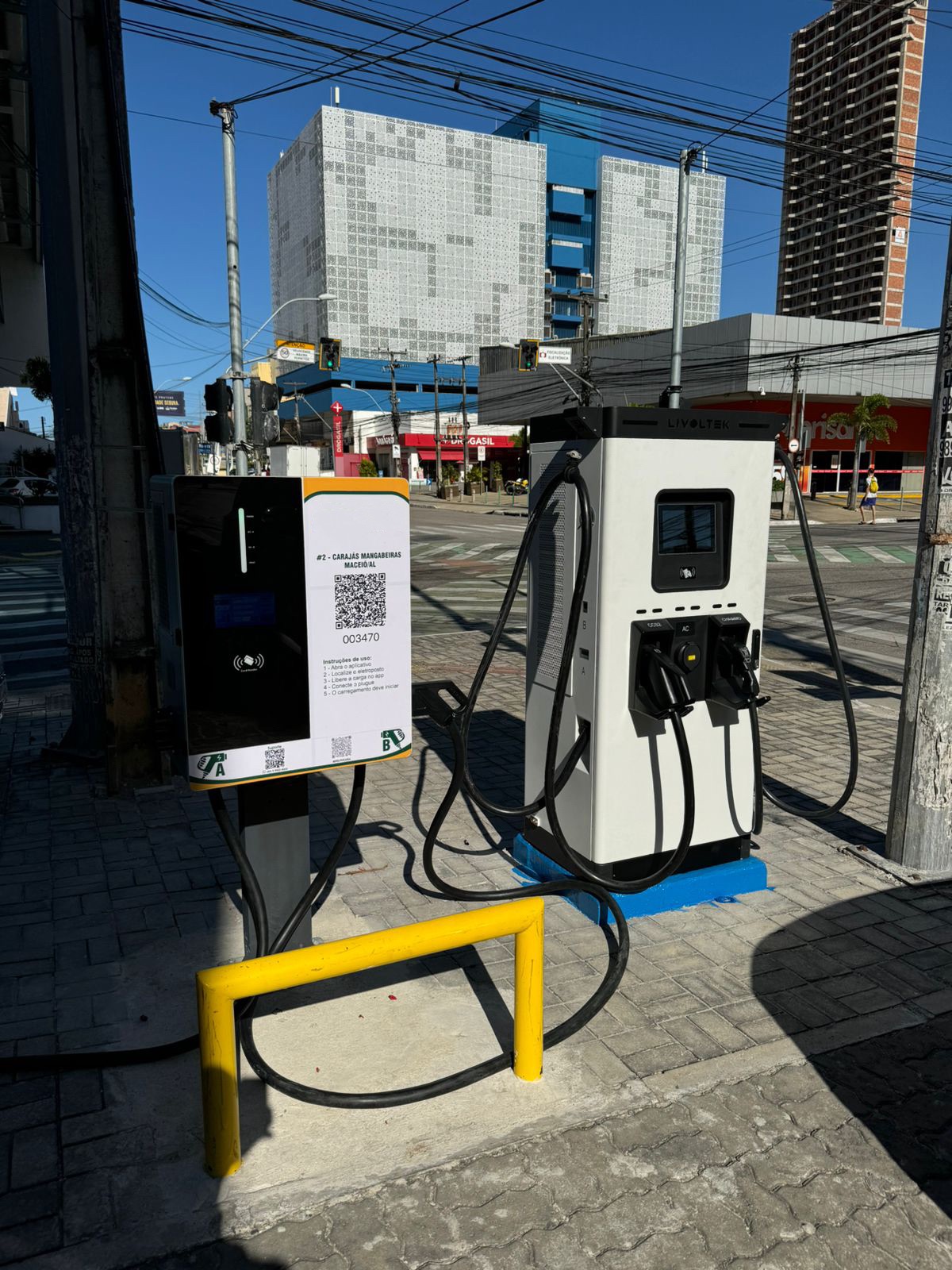
In many African countries, EV adoption is still in its early stages.
Yet this also presents a unique opportunity.
Without large legacy charging networks, new infrastructure can be designed around today's technologies rather than yesterday's assumptions.
Several governments are introducing EV policies, encouraging private investment, and exploring renewable-powered charging solutions that combine solar generation with battery energy storage.
For many regions where grid reliability remains a challenge, integrated energy solutions may prove more practical than conventional charging models.
Lesson: Emerging markets can leapfrog directly to integrated energy ecosystems.

Although each region follows a different path, the same challenges continue to appear around the world.
As charging demand increases, electricity networks must support higher peak loads without compromising reliability.
Successful charging stations are built where drivers naturally spend time—not simply where land is available.
A charging station's long-term success depends more on consistent usage than on maximum charging power.
Charging infrastructure should be designed with flexibility to accommodate future demand, new vehicle technologies, and evolving energy systems.
Regardless of geography, thoughtful planning remains one of the strongest predictors of project success.
Perhaps the biggest lesson from global EV markets is that the conversation is changing.
A few years ago, discussions focused primarily on charging speed and equipment specifications.
Today, the focus is increasingly shifting toward questions such as:
How can renewable energy be integrated into charging infrastructure?
How can battery energy storage improve operational efficiency?
How can software optimize energy distribution?
How can charging stations become resilient, scalable infrastructure assets?
Charging stations are no longer viewed simply as electrical equipment.
They are becoming critical nodes within a broader energy ecosystem.
No two EV markets are identical, and no single strategy fits every region.
What works in Beijing may not be appropriate for Bangkok.
The solutions that succeed in Berlin may differ from those needed in Accra.
Yet one principle remains universal:
Successful EV infrastructure begins with understanding local conditions, planning for long-term growth, and designing systems that balance performance, reliability, and sustainability.
As electric mobility continues to expand worldwide, the companies that succeed will not simply build more charging stations—they will build smarter energy infrastructure that is ready for the future.
International Energy Agency (IEA). Global EV Outlook 2025.
BloombergNEF. Electric Vehicle Outlook 2025.
International Renewable Energy Agency (IRENA). Renewable Energy Statistics.
International Council on Clean Transportation (ICCT). Global EV Policy Updates.
World Bank. Sustainable Infrastructure and Energy Transition Reports.
 Hot News
2024-09-09
2024-09-09
2024-09-09
Our range includes EV charging stations advertising display tablets power transformers and voltage switchgears offering reliable performance and efficient energy solutions for modern businesses
No. 108, Tianyuan Street, Xinmin Town, Da'an District, Zigong City,Sichuan Province, China
Copyright © 2025 Sichuan Wolun Electric Manufacturing Co., Ltd. Privacy Policy
 EN
EN