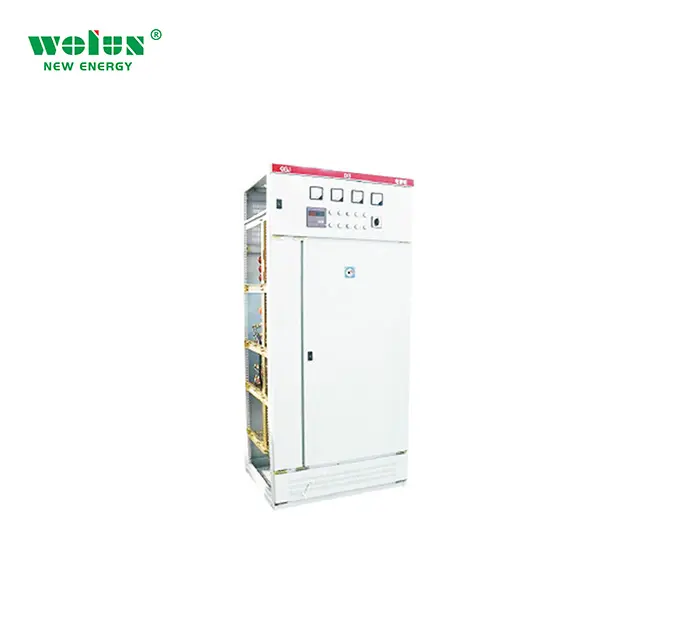
Selecting the appropriate voltage switchgear for your facility is a critical decision that impacts safety, reliability, and operational efficiency. Modern industrial and commercial facilities rely heavily on electrical distribution systems, making voltage switchgear an indispensable component. Understanding the key factors and considerations in the selection process ensures optimal performance while maintaining compliance with industry standards.
The primary consideration when selecting voltage switchgear is determining the correct voltage rating. This involves analyzing your facility's power distribution requirements, including nominal voltage levels, insulation levels, and system frequency. Modern voltage switchgear typically operates in low-voltage (up to 1kV), medium-voltage (1kV to 36kV), or high-voltage (above 36kV) ranges.
System configuration plays a crucial role in switchgear selection. Whether your facility requires single bus, double bus, or ring main unit configurations will influence the type of voltage switchgear needed. Each configuration offers different levels of reliability, maintainability, and operational flexibility.
Current ratings must be carefully evaluated to ensure the voltage switchgear can handle both normal operating conditions and fault scenarios. This includes consideration of continuous current ratings, short-time withstand current, and peak withstand current. The selected switchgear must be capable of interrupting the maximum prospective short-circuit current without damage.
Modern facilities often experience load growth over time, making it essential to factor in future expansion plans when selecting current ratings. Engineers typically recommend adding a 25% margin to current calculations to accommodate potential increases in power demand.
The physical environment where the voltage switchgear will be installed significantly impacts its selection. Factors such as ambient temperature, humidity levels, altitude, and exposure to corrosive substances must be carefully evaluated. Indoor installations may require different specifications compared to outdoor installations, particularly regarding enclosure types and protection ratings.
Environmental considerations also extend to seismic requirements, especially in regions prone to earthquakes. The selected voltage switchgear must meet local seismic certification standards and be capable of maintaining operation during and after seismic events.
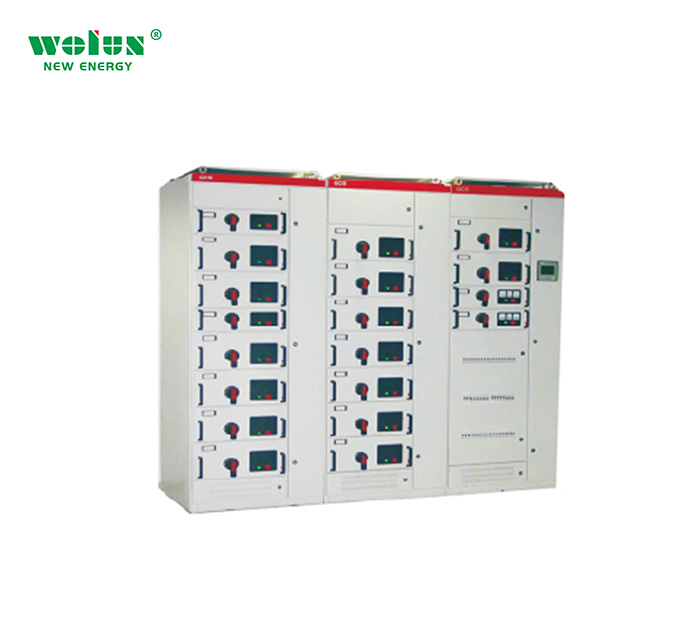
Available space and accessibility requirements play crucial roles in switchgear selection. Modern voltage switchgear comes in various configurations, including fixed-mounted, draw-out, and modular designs. Each type has specific space requirements for installation, operation, and maintenance.
Consider not only the physical dimensions of the switchgear but also clearance requirements for operation, maintenance, and safety. This includes front access for operation, rear access for cable termination, and side clearances for ventilation and heat dissipation.
Modern voltage switchgear must incorporate robust arc flash protection features to ensure personnel safety. This includes arc-resistant enclosures, remote operation capabilities, and rapid arc detection and elimination systems. The selected switchgear should comply with relevant arc flash standards and provide adequate protection based on the facility's arc flash risk assessment.
Advanced arc flash protection systems may include pressure relief channels, arc detection sensors, and ultra-fast earthing switches. These features work together to minimize the risk of injury and equipment damage during arc flash events.
Integration of intelligent monitoring and control systems enhances switchgear safety and reliability. Modern voltage switchgear often includes advanced protection relays, condition monitoring sensors, and communication interfaces. These systems provide real-time data on equipment status, enabling predictive maintenance and rapid fault response.
Smart monitoring features may include temperature monitoring, partial discharge detection, gas density monitoring for SF6 switchgear, and integration with facility management systems. These capabilities contribute to improved maintenance planning and reduced downtime.
The maintenance requirements of different voltage switchgear types vary significantly. Air-insulated switchgear may require more frequent maintenance compared to gas-insulated alternatives. Consider the availability of maintenance expertise, spare parts, and the impact of maintenance activities on facility operations.
Modern switchgear designs often incorporate maintenance-free or reduced-maintenance features, such as sealed-for-life gas compartments or vacuum interrupters. These features can significantly reduce lifecycle costs and maintenance downtime.
Consider the expected service life of the voltage switchgear and its potential for future upgrades. High-quality switchgear typically offers a service life of 20-30 years, but this can vary based on operating conditions and maintenance practices. The ability to upgrade protection systems or add monitoring capabilities without replacing the entire switchgear can provide valuable flexibility.
Evaluate the manufacturer's track record, warranty terms, and long-term support capabilities. This includes the availability of technical support, spare parts, and upgrade options throughout the switchgear's lifecycle.
Key factors include the facility's nominal operating voltage, maximum system voltage, insulation coordination requirements, and anticipated voltage fluctuations. Consider both current requirements and future expansion plans when determining voltage ratings.
Environmental conditions such as temperature, humidity, altitude, and presence of corrosive substances directly impact switchgear performance and longevity. These factors influence the choice of insulation medium, enclosure type, and protection ratings.
Evaluate the frequency of required maintenance, availability of qualified maintenance personnel, spare parts accessibility, and the impact of maintenance activities on operations. Consider lifecycle costs, including both routine maintenance and potential repairs.
Future expandability is crucial as facilities often experience load growth or require system modifications. Select switchgear that can accommodate anticipated expansion through features such as spare capacity, modular design, and upgrade potential.
 Hot News
2024-09-09
2024-09-09
2024-09-09
Our range includes EV charging stations advertising display tablets power transformers and voltage switchgears offering reliable performance and efficient energy solutions for modern businesses
No. 108, Tianyuan Street, Xinmin Town, Da'an District, Zigong City,Sichuan Province, China
Copyright © 2025 Sichuan Wolun Electric Manufacturing Co., Ltd. Privacy Policy
 EN
EN