As electric vehicles transform the automotive landscape, businesses face crucial decisions about implementing EV charging stations on their premises. These charging solutions have become essential infrastructure for forward-thinking companies, serving employees, customers, and visitors while positioning organizations as environmentally conscious leaders. The selection process requires careful consideration of multiple factors to ensure the investment delivers long-term value and reliability.
The growing adoption of electric vehicles has created unprecedented demand for accessible charging infrastructure. For businesses, installing EV charging stations not only provides a valuable amenity but also demonstrates environmental stewardship while potentially creating new revenue streams. Making an informed decision about EV charging stations requires understanding technical specifications, user needs, and long-term operational considerations.
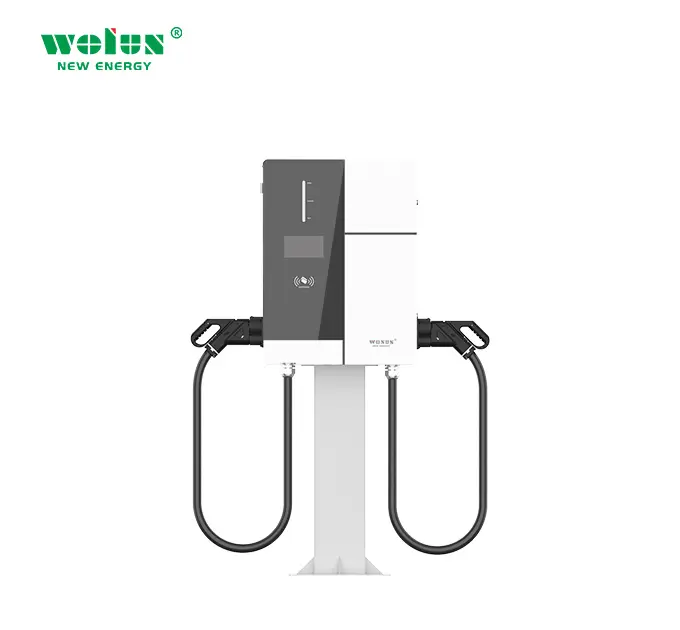
When evaluating EV charging stations, power output capabilities stand as a primary consideration. Level 2 charging stations, operating on 240V AC power, typically serve well for workplace and retail locations where vehicles park for several hours. These units deliver 7-19 kW of power, providing approximately 25-30 miles of range per hour of charging. DC fast chargers, while more expensive, deliver 50-350 kW of power for rapid charging in commercial settings with high turnover.
The choice between charging levels depends largely on your facility's specific use case. Workplace installations often benefit from multiple Level 2 stations, while retail locations might need a mix of Level 2 and DC fast chargers to accommodate varying dwell times. Consider future scalability when selecting power outputs, as EV adoption continues to accelerate.
A thorough site assessment must precede any EV charging station installation. This evaluation examines existing electrical capacity, panel space, and potential upgrade requirements. Many facilities require electrical service upgrades to support multiple charging stations, making it crucial to understand these costs early in the planning process.
Working with qualified electrical contractors helps identify optimal installation locations while minimizing infrastructure modification costs. Consider proximity to electrical service, parking lot layout, and accessibility requirements when determining station placement. Future expansion capabilities should also factor into infrastructure planning.
Modern EV charging stations offer sophisticated networking capabilities that enable remote monitoring, usage tracking, and system diagnostics. Connected stations allow businesses to monitor performance, identify maintenance needs, and collect valuable usage data. These features help optimize station availability and ensure reliable operation.
Look for charging stations with robust communication protocols and cloud-based management platforms. These systems provide real-time status updates, automated maintenance alerts, and detailed reporting capabilities. Such features prove invaluable for managing multiple stations across different locations.
Reliable payment processing capabilities are essential for commercial EV charging stations. Modern systems support multiple payment methods, including credit cards, mobile apps, and RFID cards. Choose platforms that offer flexible pricing models to accommodate different user groups and time-based rates.
Access control features help manage station availability and prevent unauthorized use. Look for systems that allow customizable access policies, reservation capabilities, and integration with existing building management systems. These controls ensure efficient station utilization while maintaining security.
Commercial EV charging stations must withstand continuous use and varying environmental conditions. Evaluate build quality, weather resistance ratings, and operating temperature ranges. Premium stations feature robust construction, sealed electronics, and protection against vandalism.
Consider the manufacturer's track record and warranty terms when assessing reliability. Leading providers offer comprehensive warranties covering both parts and labor, with some extending coverage up to five years. This protection helps ensure long-term performance and minimize maintenance costs.
Regular maintenance ensures optimal performance and longevity of EV charging stations. Evaluate manufacturers' maintenance programs, response times, and local service availability. Some providers offer predictive maintenance capabilities through remote monitoring, helping prevent downtime.
Technical support availability proves crucial when issues arise. Look for providers offering 24/7 support through multiple channels, including phone, email, and online chat. Quick response times and knowledgeable support staff help minimize disruptions to charging services.
The total cost of EV charging station implementation extends beyond equipment prices. Calculate installation costs, including electrical upgrades, concrete work, and signage. Factor in networking fees, software subscriptions, and ongoing maintenance expenses when budgeting.
Consider available incentives and rebates that can offset initial costs. Many utilities, states, and local governments offer programs supporting commercial EV charging infrastructure. These incentives can significantly improve project economics and accelerate return on investment.
EV charging stations can create new revenue streams through user fees while attracting valuable customers. Develop pricing strategies that balance cost recovery with user attraction. Consider time-based pricing, membership models, and special rates for different user groups.
Additional benefits include increased property value, enhanced corporate image, and competitive advantage in attracting environmentally conscious customers and employees. These factors contribute to the overall return on investment beyond direct charging revenue.
Installation timelines typically range from 4-12 weeks, depending on site conditions, permitting requirements, and electrical upgrade needs. Simple Level 2 installations might complete faster, while DC fast charger projects often require more extensive planning and infrastructure work.
Regular maintenance includes quarterly visual inspections, annual electrical testing, software updates, and periodic cleaning. Connected stations enable remote monitoring and predictive maintenance, helping prevent issues before they affect service.
Yes, modern EV charging stations offer various access control options, including RFID cards, mobile apps, and payment requirements. Businesses can set different access policies for employees, customers, and public users while monitoring usage patterns.
The optimal number depends on factors including parking capacity, expected demand, and facility type. A general guideline suggests starting with charging stations for 2-5% of parking spaces, with infrastructure planning for future expansion to 10-20% as EV adoption grows.
 Hot News
2024-09-09
2024-09-09
2024-09-09
Our range includes EV charging stations advertising display tablets power transformers and voltage switchgears offering reliable performance and efficient energy solutions for modern businesses
No. 108, Tianyuan Street, Xinmin Town, Da'an District, Zigong City,Sichuan Province, China
Copyright © 2025 Sichuan Wolun Electric Manufacturing Co., Ltd. Privacy Policy
 EN
EN