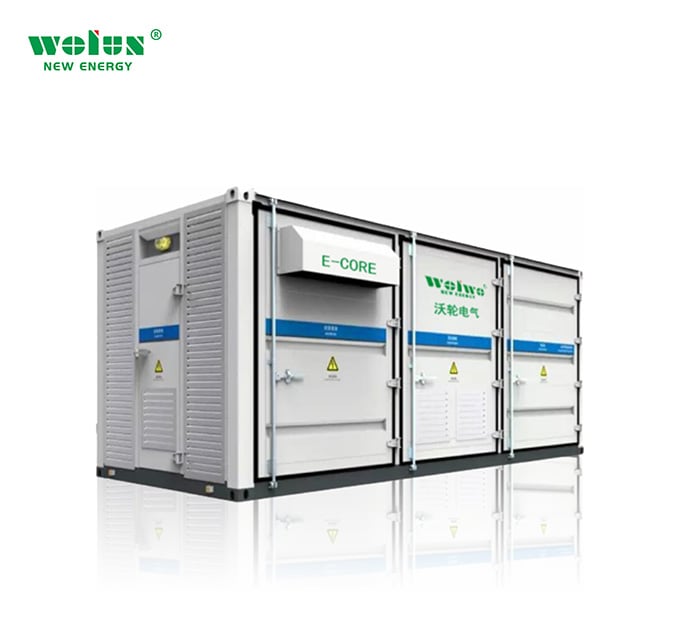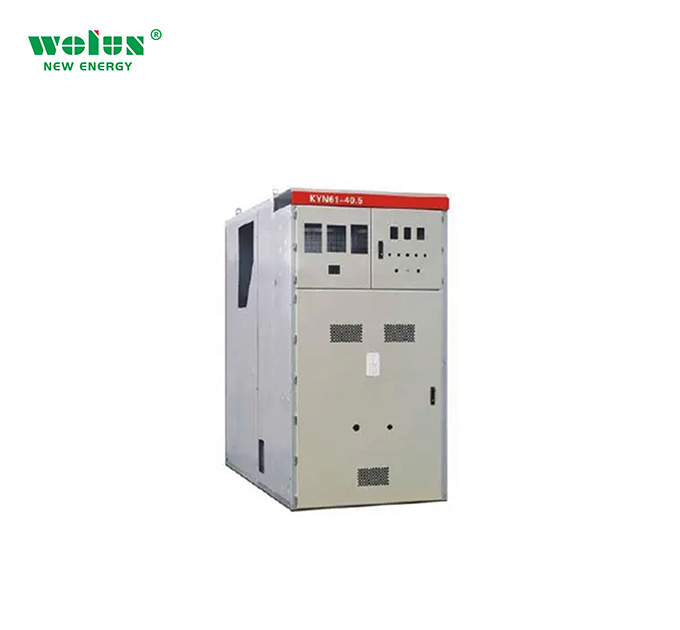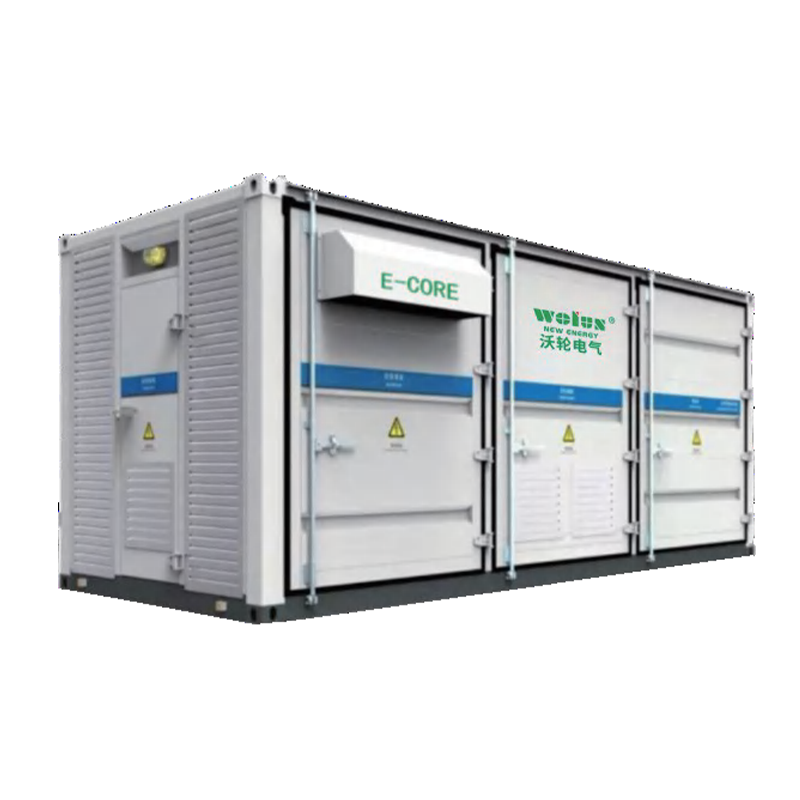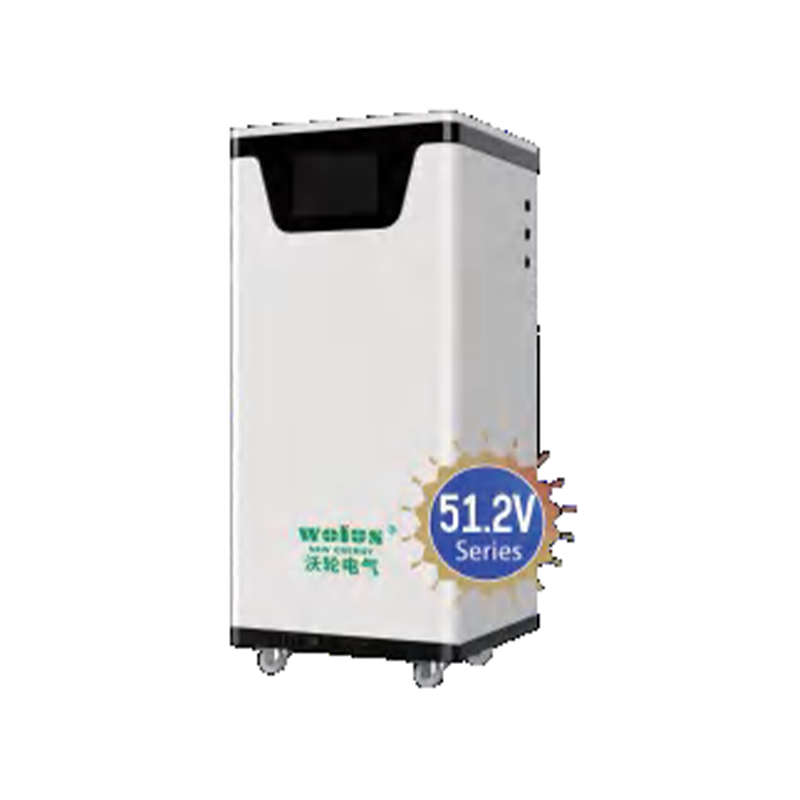
The role of power transformers in industrial applications cannot be overstated. These critical components serve as the backbone of electrical distribution systems, enabling the efficient transfer and conversion of electrical energy across various voltage levels. Whether you're managing a manufacturing facility, planning an industrial expansion, or upgrading existing infrastructure, selecting the right power transformer is crucial for operational efficiency and long-term reliability.
In today's rapidly evolving industrial landscape, the demand for reliable and efficient power distribution solutions continues to grow. Power transformers play a pivotal role in meeting these demands, making the selection process a critical decision that impacts both immediate operations and future scalability.
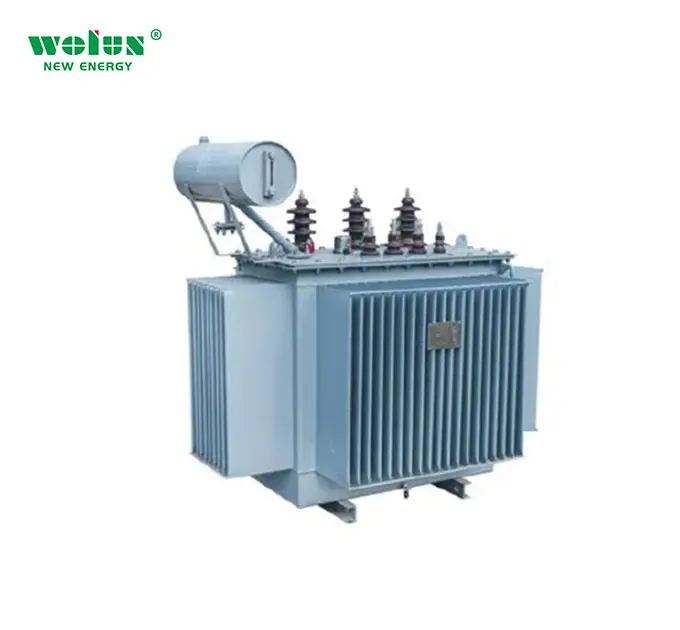
When selecting a power transformer, the first and most crucial consideration is understanding your load requirements. This involves a detailed analysis of your current power needs and potential future expansion. Industrial facilities should calculate their total connected load, including all machinery, lighting, and auxiliary equipment. It's recommended to add a 15-20% buffer to accommodate future growth and unexpected load increases.
Beyond immediate power needs, consider the duty cycle of your operations. Continuous heavy-duty operations require transformers with higher capacity ratings and robust cooling systems. The load factor, which represents the ratio of average load to peak load, helps determine the optimal transformer size for efficient operation.
The operating environment significantly influences power transformer selection. Indoor installations have different requirements compared to outdoor placements. Factors such as ambient temperature, humidity levels, altitude, and exposure to corrosive elements must be carefully evaluated. These conditions affect the transformer's cooling requirements and the type of insulation needed.
Physical space constraints and accessibility for maintenance are equally important. The selected power transformer must fit within the available space while allowing adequate clearance for ventilation and maintenance access. Consider the weight limitations of your facility's floor loading capacity, especially for larger units.
The primary and secondary voltage ratings must match your facility's requirements precisely. Power transformers come with standard voltage ratings, but custom configurations are available for specific applications. The impedance percentage, typically ranging from 2% to 7% for industrial transformers, affects short-circuit current levels and voltage regulation.
Voltage regulation becomes particularly important in applications with varying loads. A well-designed power transformer maintains stable output voltage despite input fluctuations, ensuring consistent power quality for sensitive equipment.
Modern power transformers offer varying levels of efficiency, directly impacting operational costs. Core losses (no-load losses) and copper losses (load losses) determine the transformer's overall efficiency. While higher efficiency units may cost more initially, they often prove more economical over their operational lifetime through reduced energy losses.
The choice between standard and high-efficiency models should be based on a careful cost-benefit analysis, considering energy costs, operating hours, and expected service life. Premium-grade core materials and optimized designs can significantly reduce losses, leading to substantial energy savings.
Industrial power transformers must incorporate comprehensive protection features against overloading, short circuits, and overheating. Modern units come equipped with temperature monitoring systems, pressure relief devices, and various sensors for early fault detection. Ensure the selected transformer complies with relevant industry standards and safety regulations.
The protection system should include both mechanical and electrical safeguards, such as Buchholz relays for liquid-filled transformers and thermal protection for dry-type units. Regular testing and calibration of these protection devices are essential for reliable operation.
Consider the long-term maintenance requirements when selecting a power transformer. Easy access to components requiring regular inspection and maintenance can significantly reduce downtime and service costs. Dry-type transformers generally require less maintenance compared to liquid-filled units but may have different cooling requirements.
Documentation and manufacturer support are crucial aspects of maintenance planning. Choose suppliers who provide comprehensive documentation, technical support, and spare parts availability. This ensures efficient maintenance operations and minimal disruption to your industrial processes.
To determine the optimal size, calculate your total connected load, including all equipment and future expansion plans. Add a 15-20% safety margin to account for unexpected load increases. Consider factors such as peak demand, load factor, and duty cycle of your operations.
Dry-type transformers use air for cooling and are typically used in indoor applications where fire safety is paramount. Liquid-filled transformers use oil or other coolants for better heat dissipation and are often more efficient but require more maintenance and safety considerations.
Regular inspections should be conducted monthly for visual checks, while comprehensive maintenance, including oil testing for liquid-filled units and thermal imaging, should be performed annually. Critical parameters like insulation resistance should be tested every 2-3 years or as recommended by the manufacturer.
 Hot News
2024-09-09
2024-09-09
2024-09-09
Our range includes EV charging stations advertising display tablets power transformers and voltage switchgears offering reliable performance and efficient energy solutions for modern businesses
No. 108, Tianyuan Street, Xinmin Town, Da'an District, Zigong City,Sichuan Province, China
Copyright © 2025 Sichuan Wolun Electric Manufacturing Co., Ltd. Privacy Policy
 EN
EN